
Our picks
Best for most office work
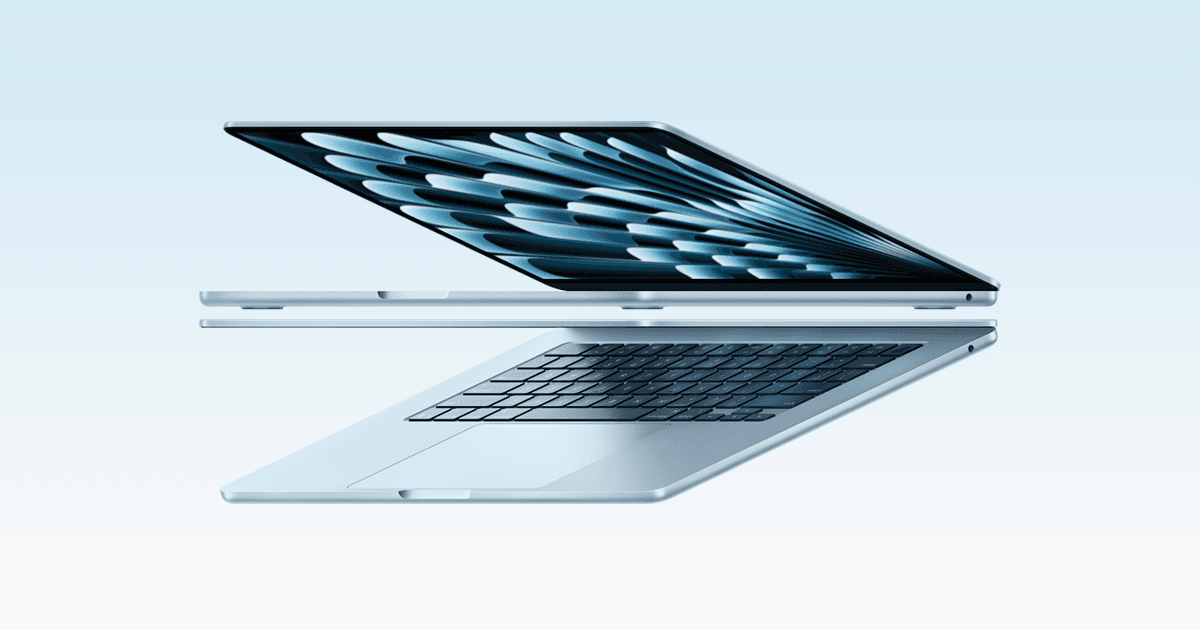
1. Apple MacBook Air 13" (M5), 16GB, 512GB
The 13-inch MacBook Air with M5 handles documents, spreadsheets, browsers and video calls comfortably. The configuration we link has 16GB of memory and a 512GB SSD, Apple rates it at up to 15 hours of wireless web use, and it weighs 2.7 lbs. It drives up to two external displays, so it works as a desk machine too.
Pros
- 2.7 lbs
- Up to 15 hours web (Apple)
- Up to two external displays
Cons
- Two Thunderbolt ports, no HDMI or SD slot
- No ProMotion (120Hz) screen
Best big-screen Air
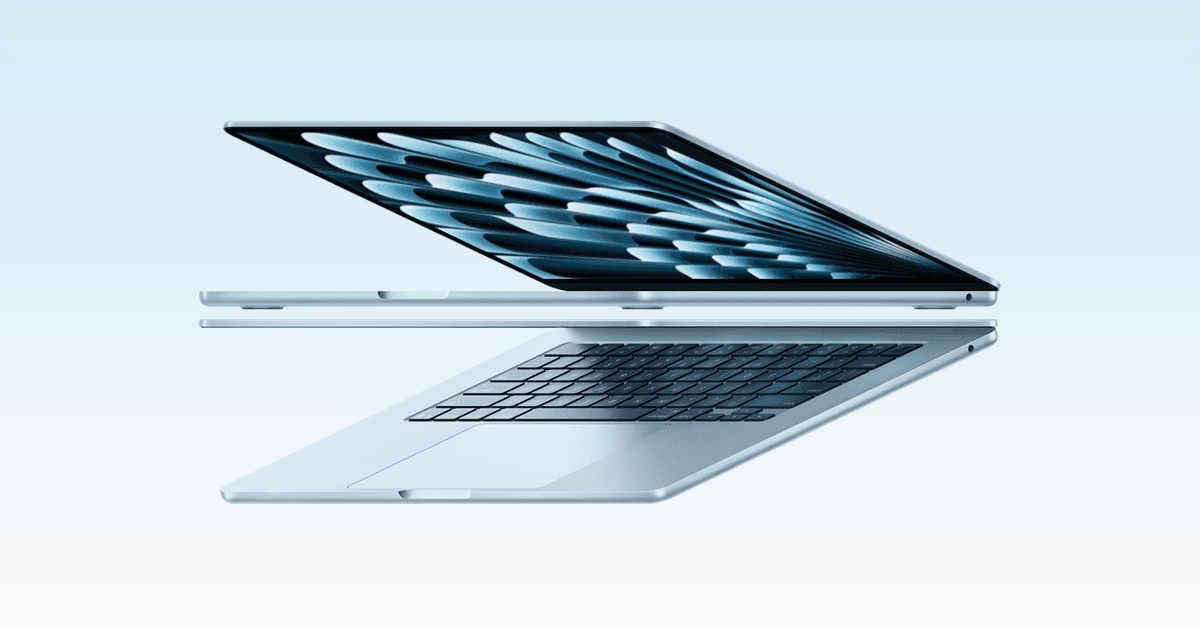
2. Apple MacBook Air 15" (M5), 16GB, 512GB
The 15-inch MacBook Air gives you a 15.3-inch 2880 x 1864 screen and a six-speaker system with the same M5 chip family (here with a 10-core GPU), 16GB of memory and 512GB of storage. Apple rates its battery the same as the 13-inch, and its larger battery (66.5Wh) keeps pace with the bigger screen.
Pros
- 15.3" screen
- Six speakers
- Same up to 15 hours web (Apple)
Cons
- Same limited ports as the 13-inch
- Larger to carry
Best for heavier work
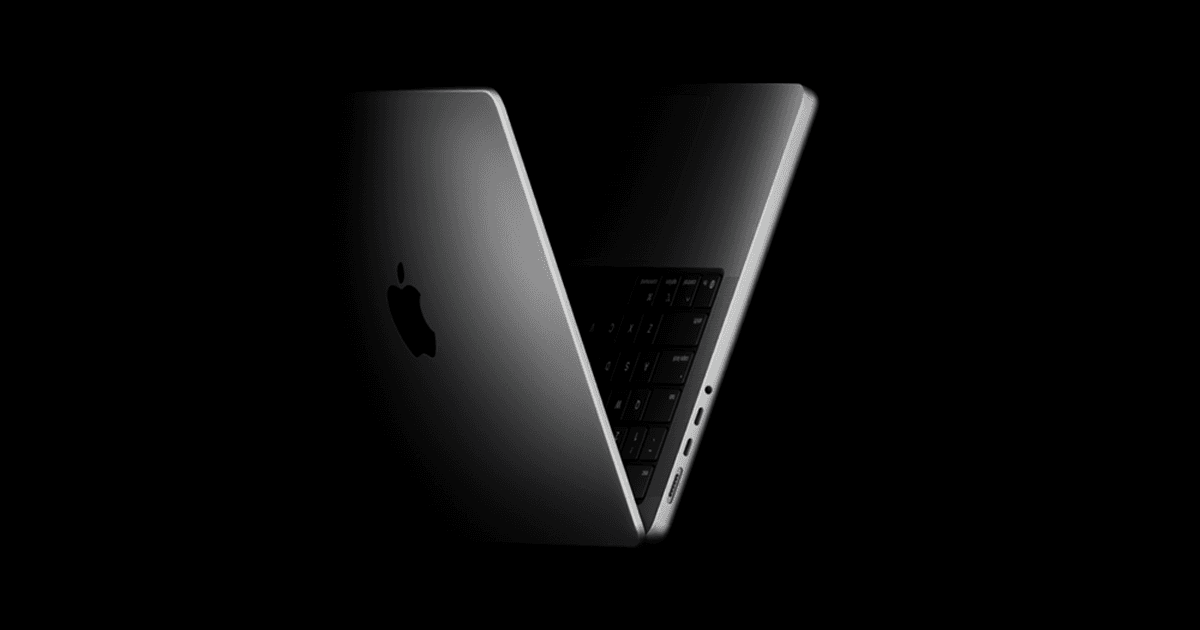
3. Apple MacBook Pro 14" (M5), 24GB, 1TB
The 14-inch MacBook Pro with M5 is worth it if you’ll use what it adds: a Liquid Retina XDR screen with ProMotion up to 120Hz and up to 1000 nits for everyday content outdoors (Apple’s figure), three Thunderbolt 4 ports plus HDMI and an SD card slot, and Apple’s rating of up to 16 hours of wireless web use. The configuration we link has 24GB of memory and a 1TB SSD. It weighs 3.4 lbs.
Pros
- 120Hz XDR screen, up to 1000 nits
- HDMI, SD slot and three Thunderbolt ports
- Up to 16 hours web, 24 hours video (Apple)
Cons
- Heavier at 3.4 lbs
- Costs noticeably more than the Air
For most office work (email, documents, spreadsheets, a browser full of tabs and daily video calls) the MacBook Air is the better buy: it has the same M5 chip family, it's lighter, and it runs a full working day. The MacBook Pro earns its place if you'll use what it adds: a brighter 120Hz screen, HDMI and SD card ports, and, in the configuration we link, more memory (24GB) for heavier work. For a wider look at work laptops, including Windows options, see our guide to choosing a laptop for working from home.
The short version
- Choose the MacBook Air if your work is mostly documents, browsers and calls, and you value weight and battery life.
- Choose the 15-inch Air if you want a bigger screen without paying for Pro features.
- Choose the MacBook Pro if you edit photos or video, want HDMI and an SD slot built in, or work in bright rooms.
Side by side
| MacBook Air 13" (M5) | MacBook Air 15" (M5) | MacBook Pro 14" (M5) |
|---|---|---|---|
Screen | 13.6", 2560 x 1664, 500 nits | 15.3", 2880 x 1864, 500 nits | 14.2" XDR, 3024 x 1964, up to 1000 nits SDR, 120Hz |
Battery (Apple) | Up to 15 h web, 18 h video | Up to 15 h web, 18 h video | Up to 16 h web, 24 h video |
Ports | 2 Thunderbolt 4, MagSafe, headphone | 2 Thunderbolt 4, MagSafe, headphone | 3 Thunderbolt 4, HDMI, SD slot, MagSafe, headphone |
External displays | Up to two | Up to two | Up to two |
Weight | 2.7 lbs | See Apple's spec page | 3.4 lbs |
Speakers | Four | Six | Six |
All three have a 12MP Center Stage camera with Desk View and Wi-Fi 7, and the M5 chip's 10-core CPU.
The screen: the biggest real difference
The MacBook Pro's Liquid Retina XDR display is the upgrade you'll notice every day. ProMotion lets it refresh at up to 120Hz, so scrolling long documents looks smoother, and Apple rates it at up to 1000 nits for everyday (SDR) content outdoors, against the Air's 500. That helps next to a bright window. For office work in a normal room, the Air's screen is sharp and bright enough; many people won't miss the difference.
Ports and your desk setup
The Air has two Thunderbolt 4 ports plus MagSafe charging, so it keeps both ports free while charging. With one USB-C or Thunderbolt monitor, that is plenty: the monitor can charge the laptop and connect your accessories over one cable (see our Best Monitors for MacBook Pro guide, which works for the Air too). The Pro adds a third Thunderbolt port, HDMI and an SD card slot, which saves carrying adapters if you present on TVs or use camera cards.
Battery life
Apple rates the 13-inch Air at up to 15 hours of wireless web use and the 14-inch Pro at up to 16 hours, with a bigger gap for video playback (18 vs 24 hours). Both comfortably cover a working day away from a charger. The Pro's advantage matters more if you travel or often work unplugged.
Memory: buy what you need up front
Neither laptop's memory can be upgraded after purchase. The Airs we link have 16GB, which suits most office work; the Pro we link has 24GB. If you keep many apps open or run heavier tools, our RAM guide explains when more is worth it.
Prefer Windows?
If your work software needs Windows, or you want replaceable memory and built-in Ethernet, see our Best Business Laptops for Home Offices guide, which includes ThinkPad and Dell options.
How we compared
These recommendations are research-based: we have not tested these products ourselves. Every figure quoted here comes from the manufacturer’s or a retailer’s own published spec sheet (linked under Sources), not from a shopping listing title. All figures come from Apple's own technical specifications pages. Battery figures are Apple's test results, not ours. The retailer links point to the exact configurations described.
Frequently asked questions
Is the MacBook Air good enough for office work?
Yes. Documents, spreadsheets, browsers and video calls are well within what the M5 MacBook Air handles, and it adds long battery life and a light 2.7 lbs (13-inch). Choose at least 16GB of memory, since it can’t be upgraded later.
Can a MacBook Air run two external monitors?
Yes. Apple’s specs say the M5 MacBook Air supports up to two external displays, and both can run from a single Thunderbolt port.
Does the MacBook Pro have an HDMI port?
Yes. The 14-inch MacBook Pro with M5 has an HDMI port and an SDXC card slot alongside three Thunderbolt 4 ports. The MacBook Air has neither, so it needs an adapter or dock for HDMI.